
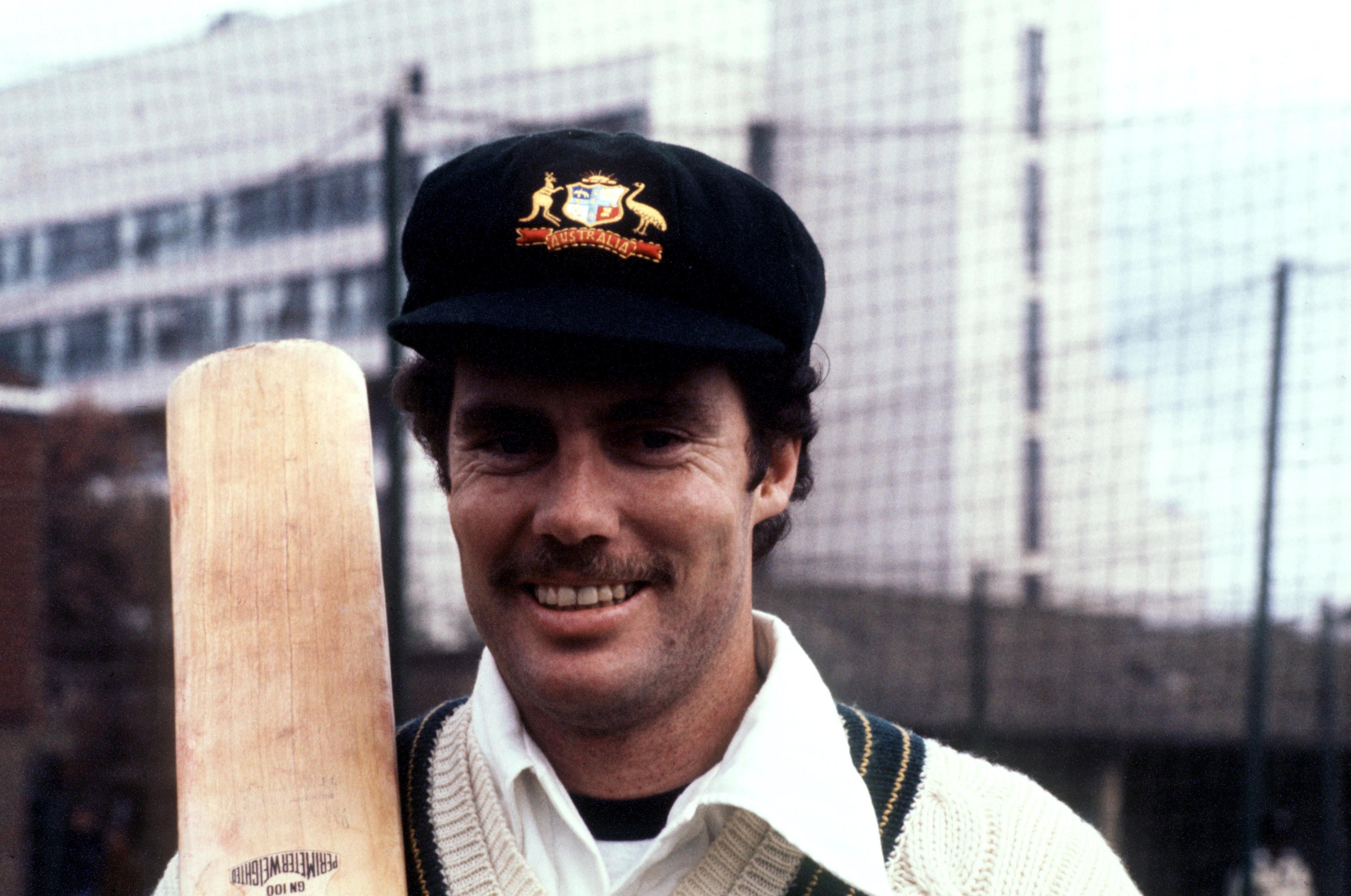
Greg Chappell, one of cricket’s legendary figures, recently shared a fascinating story on the Cricket Library Podcast with Matt Ellis about a significant moment early in his career. It was during his second season for South Australia when Chappell received invaluable advice from none other than the great Sir Donald Bradman himself. This advice would go on to shape Chappell’s batting technique and contribute to his remarkable success.
At the time, Chappell had already made a name for himself as a promising young talent, primarily known for his proficiency on the leg side. However, Bradman had been closely observing Chappell’s career, having even spoken to Chappell’s school coach, Chester Bennett, about his batting. Bradman suggested that Chappell needed to widen his range as a batsman, as he was predominantly a leg side player.
In the Cricket Library Podcast interview, Chappell reminisces, “I was very much a leg side player as a youngster. I don’t know whether someone had taught me to hold the bat in this way, but my top hand, the back of my top hand faced the bowler, which is a very good grip for leg side play, but it’s not a great grip for offside play.”
Although Bradman had earlier suggested to Chappell’s school coach that he should alter his grip, Chappell’s father had intervened, believing that his son was doing well with his current technique. Consequently, Chappell entered the first-class arena with his original grip intact. Despite achieving success with that grip, he realized that most of his runs were still being scored on the leg side.
The turning point came during a match against India in Chappell’s second season. Coincidentally, the South Australian team was placed in a smaller dressing room typically assigned to visiting teams, and Bradman, who served as a selector and was involved in both South Australian and Australian cricket, entered their dressing room. It was an unusual occurrence for Bradman to engage in conversations with young players, but fate had it that Chappell found himself near the exit as Bradman was leaving.
Seizing the opportunity, Chappell greeted Sir Donald and engaged in a brief conversation. It was during this encounter that Bradman offered the pivotal advice: “By the way, I’d change that grip if I were you.” Intrigued, Chappell asked for Bradman’s suggestion, to which he responded, “I’d suggest the grip that I used worked pretty well.” Chappell, eager to learn from the legend, handed Bradman a bat and asked him to demonstrate.
Bradman showed Chappell a neutral grip, where the thumb and forefinger of both hands rested on the bat’s handle, forming a V-shape between them. He emphasized that it might feel uncomfortable initially but encouraged Chappell to persevere, as it would enhance his ability to score runs on the off side. Bradman left, but not before adding, “By the way, I’ve given this piece of advice to one other player. He didn’t take it, and he’s no longer in the team.”
Intrigued by the advice, Chappell wasted no time in implementing it. He called upon his teammates, including bowlers Jeff Hammond and Terry Jenner, and headed to the nets for a trial run. Surprisingly, the new grip felt comfortable, and Chappell decided to use it in his batting that day. From that point on, he continued with the adjusted grip for the rest of his illustrious career.
Chappell acknowledges that Bradman’s advice was the best he received as an adult. The altered grip allowed him to broaden his range, enabling him to score runs more consistently on the off side. In a remarkable twist, Chappell ultimately surpassed Bradman’s tally of Test match runs, forever etching his name in cricketing history.
Greg Chappell’s encounter with Sir Donald Bradman serves as a testament to the influence and impact one piece of advice can have on a cricketer’s career. It highlights the importance of remaining open to guidance, even from the most revered figures in the game, and the willingness to adapt and evolve one’s technique for continued growth.
As cricket enthusiasts reflect on the remarkable career of Greg Chappell, his batting transformation stands out as a testament to the power of mentorship and the enduring legacy of Sir Donald Bradman’s wisdom.

 thecricketlibrary.com